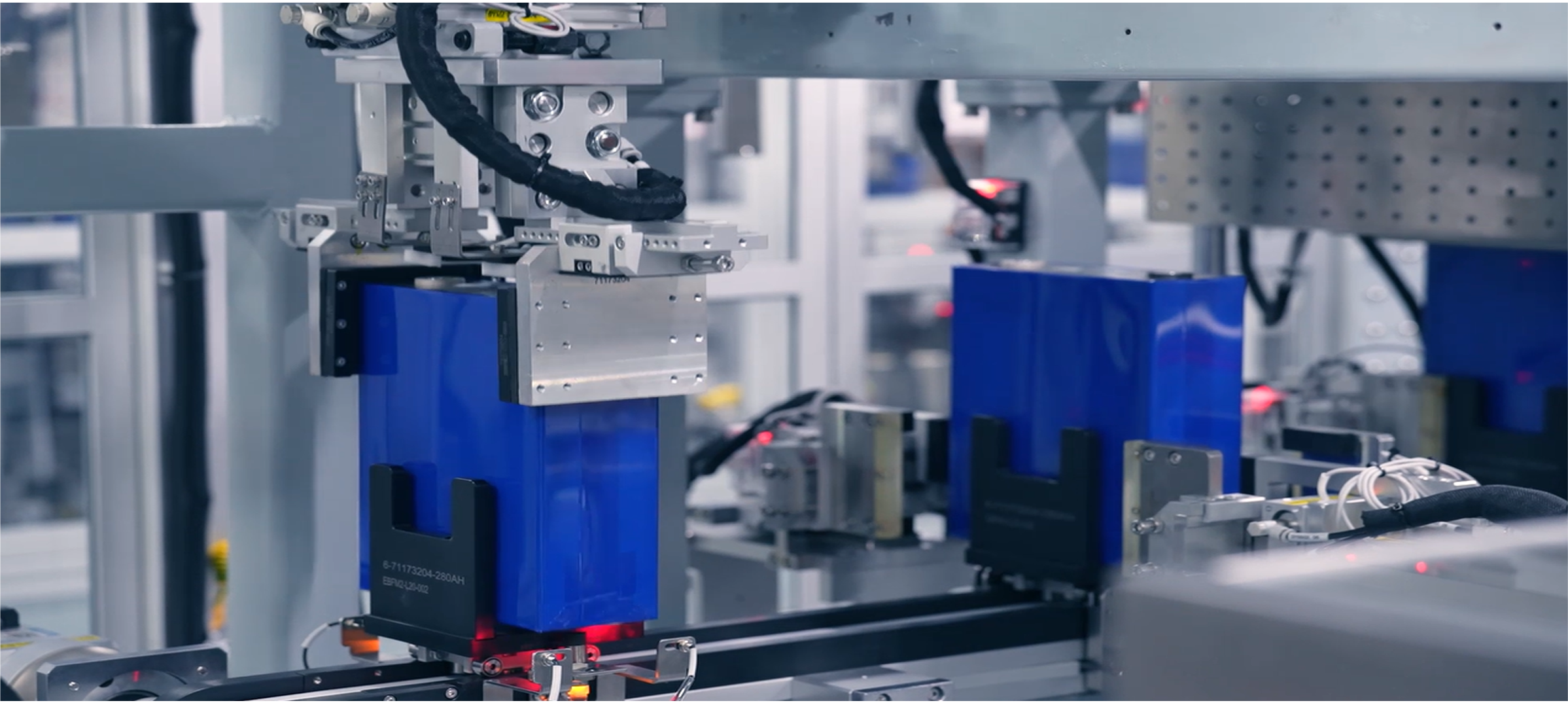
Introduction to battery pack liquid cooling plate
 Release time:2026-04-20
The liquid cooling plate is an important component of the new energy vehicle battery pack, which is mainly responsible for dissipating heat and providing heat to the battery, ensuring that the battery operates within a normal temperature range. Today, we will briefly introduce the liquid cooling plate for electric new energy vehicles.
1. Structural composition
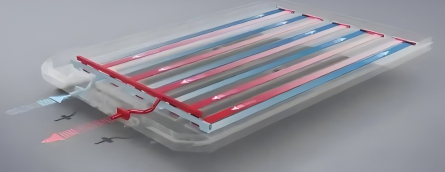
Liquid cooled plates are usually metal sandwich structures with internal flow channels and injected with cooling fluid. They are usually installed at the bottom or side of battery packs.
2. Function
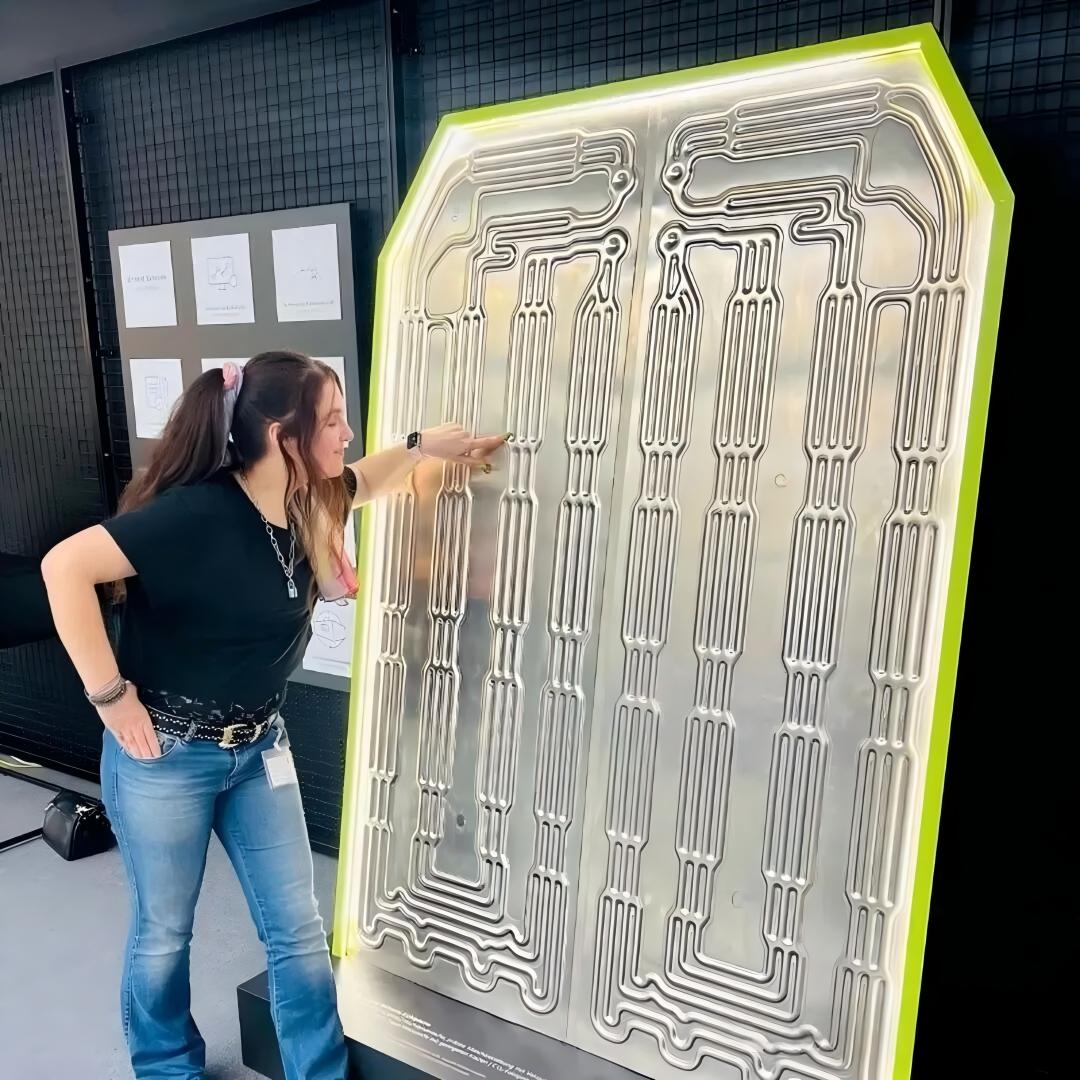
By injecting coolant and circulating it, the heat generated by the battery is carried away or transferred to the battery (at low temperatures), ensuring that the battery operates within an optimal temperature range to ensure normal charging and discharging.
3. Classification
Common liquid cooled plates can be divided into extruded liquid cooled plates, stamped liquid cooled plates, harmonica tube liquid cooled plates, etc.
Stamping type
The use of aluminum alloy and other materials, processed through stamping technology to obtain liquid cooled plates, is currently the mainstream liquid cooled plate.
Advantages: The flow channel design of the liquid cooling plate is flexible, able to closely adhere to the battery, has a large liquid cooling contact area, high heat exchange efficiency, high production efficiency, and high strength.
Disadvantage: High cost.
Extrusion-type
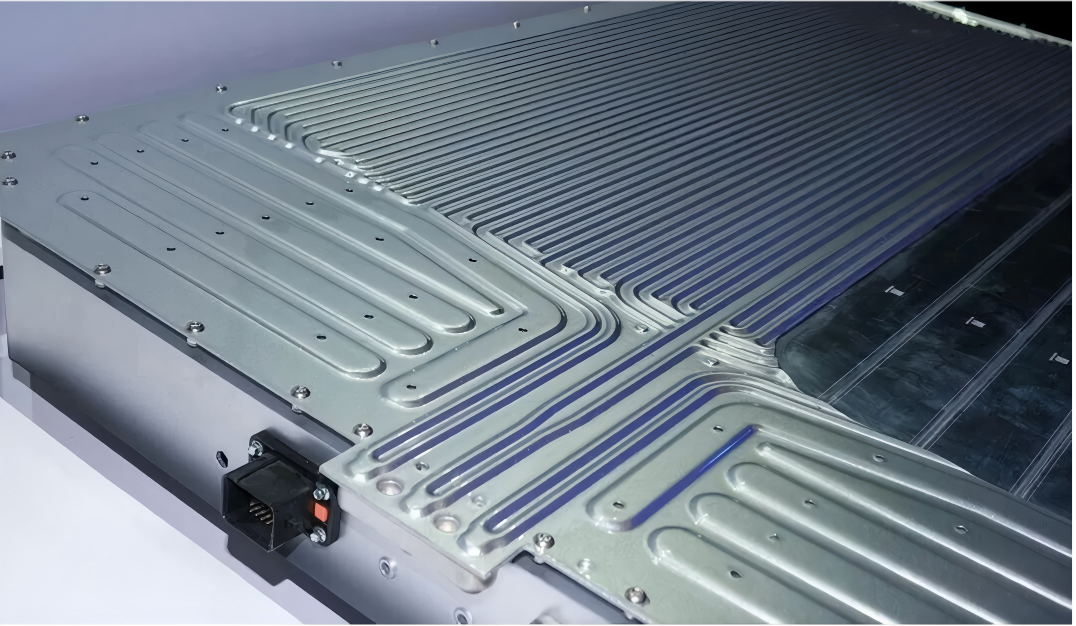
Using aluminum alloy and other materials, the liquid cooling plate with liquid cooling channels is directly formed through extrusion technology, and finally sealed and welded with channels.
Advantages: Simple structure, low production cost, and high production efficiency.
Disadvantages: Poor flexibility in channel design and average heat dissipation capacity.
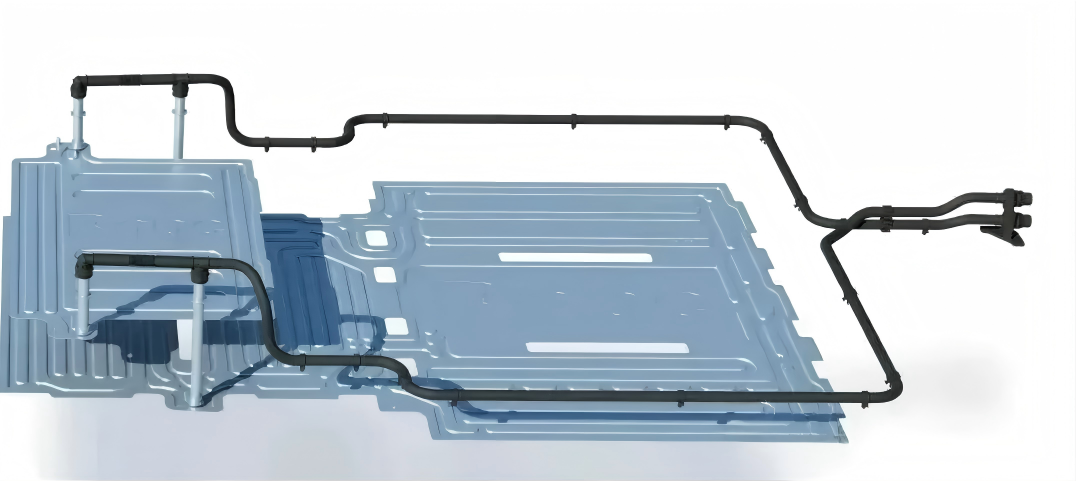
Harmonica style
As the name suggests, its channel is named after a harmonica shape.
Advantages: Simple structure and low cost.
Disadvantages: Limited flow channel design and slightly poor heat dissipation.
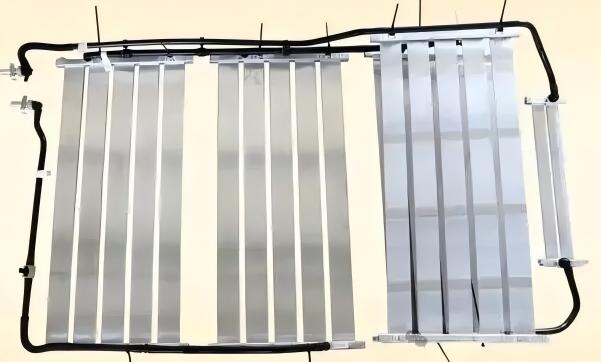
In addition, customized liquid cooling plates are usually selected based on different customer requirements or battery packs, such as Tesla's serpentine liquid cooling plate for battery packs. The selection of liquid cooled plates depends on multiple factors, including materials, heat dissipation and transfer capabilities, mechanical properties, cost, processing performance, corrosion resistance, and so on. Aluminum alloy material is usually chosen as the main material, which has balanced performance and is the preferred material for liquid cooled plates.