-
15
2026-05
Composition of battery pack structure: BMS system, thermal management system, electrical system
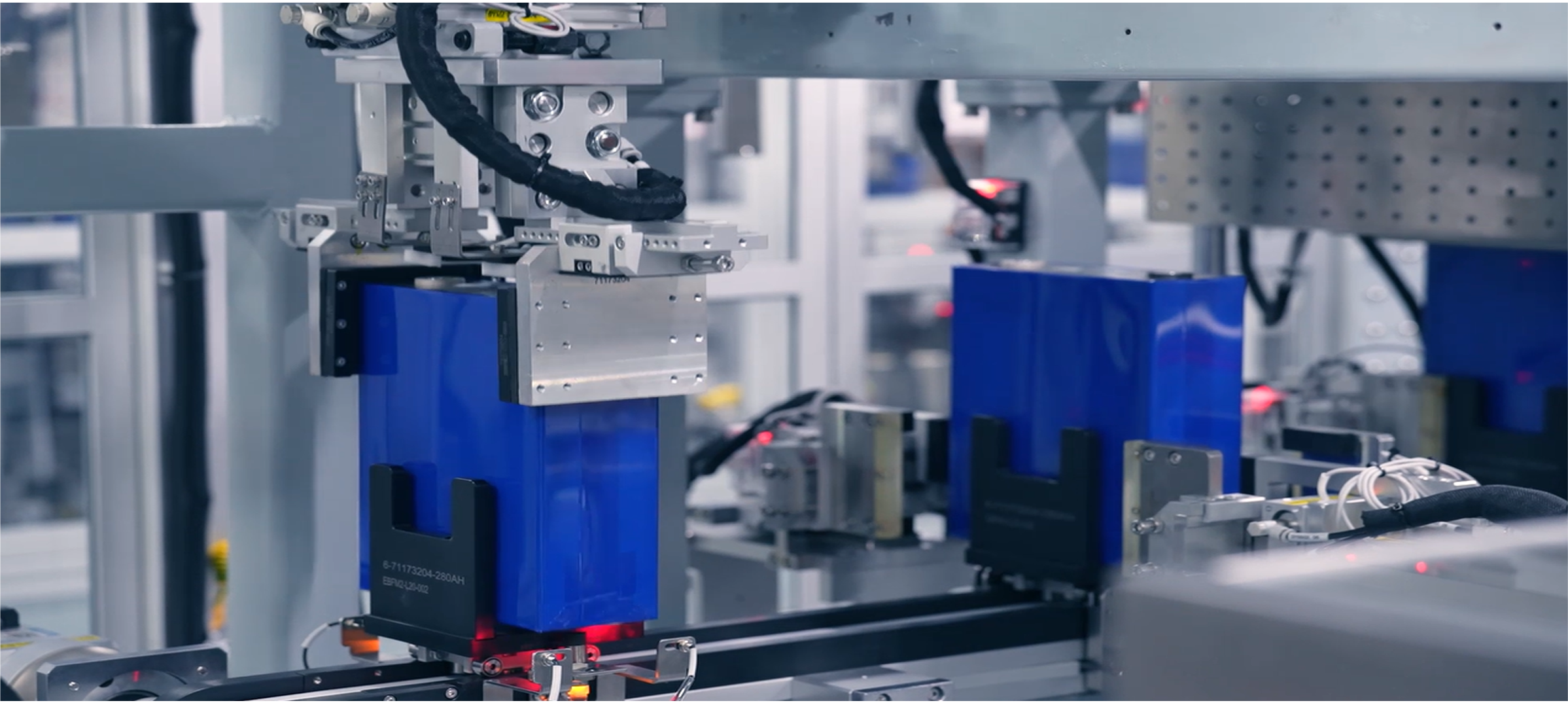
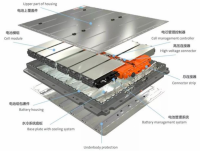
A battery pack is generally composed of several parts such as a battery (module), thermal management system, BMS battery management system, electrical system, structural system, etc., which play different roles in the battery pack.The battery is the core of the battery pack and the only source of electrical energy. The battery cells of the battery pack are connected in series and parallel to form a high-voltage, high-capacity "large battery" to ensure sufficient power and range for the car. At present, electric vehicle batteries are mainly cylindrical and square in shape. Cylindrical batteries are mainly large cylindrical, such as models 21700, 4680, and so on. The size of square batteries varies, and the batteries used by different manufacturers are different. In addition, there are blade batteries like those launched by BYD, such as long knives, short knives, square knives, and so on.Various blade batteriesBattery Management System (BMS): By collecting and monitoring data on battery voltage, temperature, etc., real-time feedback is provided to the automotive MES system to ensure that each battery can be charged and discharged efficiently and safely. The BMS system includes hardware modules such as master-slave board and BDU, and the architecture is generally divided into two types: distributed and centralized.BMS ModuleThermal management system: Ensure that the battery operates within a reasonable temperature range, improve battery charging and discharging efficiency, and extend battery life. There are two types of thermal management systems: air cooling and liquid cooling. Currently, most enterprises mainly use liquid cooling. Liquid cooling can be divided into cold plate and immersion liquid cooling, with most using cold plate.Serpentine liquid cooling plate for thermal management systemElectrical system: responsible for current transmission and detection control signals. Including various copper aluminum bars for connecting battery cells, high and low voltage wire speeds, and other components.Electrical system components (parts)In addition to the above introduction, the battery pack also includes components such as the battery pack housing, upper and lower cover plates, but generally divided into the several major components introduced above, which together form a complete battery pack.
-
29
2026-04
Introduction to Power Battery BMS
BMS, the abbreviation of Battery Management System, as the name suggests, is mainly responsible for managing batteries in new energy vehicles, including monitoring and regulating batteries, ensuring that batteries work in the best state, preventing overcharging or overdischarging, enabling battery performance to be fully utilized, and extending battery cycle life.In power battery systems, BMS is usually divided into centralized, distributed, master-slave, and modular types, each with its own advantages and disadvantages:1. DistributedDistributed BMS is mainly designed for high-voltage power battery packs. Its core feature is that through a distributed architecture, electronic devices are directly installed on the circuit board near the battery cells, reducing the use of connecting wires and achieving refined management and high reliability. It is mainly divided into three components: BCU, BMU, and BAU, among which:BCU: The main control unit is mainly responsible for high-voltage management, fault diagnosis, and balancing strategies.BMU: The control unit is mainly responsible for collecting real-time data such as voltage and temperature and providing feedback for balanced control. BAU: Central controller. Coordinate the overall situation, coordinate charging and discharging strategies, thermal management, and safety protection. Advantages: Less use of wiring harness, strong reliability; Disadvantage: The cost is relatively high.2. CentralizedCentralized BMS integrates the entire system together and then leads out signal acquisition lines for voltage, current, temperature, etc., making the structure more compact. The advantages are low cost and reliable signal transmission, but at the same time, it also brings disadvantages such as long wiring harness and poor scalability. Advantages: Low cost, simple and reliable structure; Disadvantages: Poor scalability and unsuitable for use in high-voltage systems.3. Master-slave styleThe master-slave BMS adopts an architecture design where the master control module and slave modules work together. The master module is responsible for global computation, control strategy formulation, and communication with the car, such as battery level, battery health, etc. Collect individual voltage and temperature signals from the module, and transmit the data to the main module through CAN bus or SPI daisy chain.Advantages: Low cost, easy to maintain, strong scalability;Disadvantages: Idle main module resources and delayed communication between master and slave modules.4. Modular BMSModular BMS divides BMS into multiple modules for coordinated work, similar to master-slave modules but with significant differences. Each module contains an independent monitoring and control unit, while the main control module serves as a coordinating management.Advantages: Balancing performance and cost, easy maintenance, and strong scalability;Disadvantages: Complex design and high cost. In summary, each BMS introduced above has its own advantages and disadvantages. Considering various factors such as applicable scenarios and costs, different enterprises may adopt different BMS designs.
-
20
2026-04
Introduction to battery pack liquid cooling plate
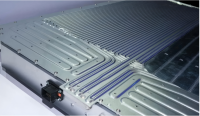
The liquid cooling plate is an important component of the new energy vehicle battery pack, which is mainly responsible for dissipating heat and providing heat to the battery, ensuring that the battery operates within a normal temperature range. Today, we will briefly introduce the liquid cooling plate for electric new energy vehicles.1. Structural compositionLiquid cooled plates are usually metal sandwich structures with internal flow channels and injected with cooling fluid. They are usually installed at the bottom or side of battery packs.2. FunctionBy injecting coolant and circulating it, the heat generated by the battery is carried away or transferred to the battery (at low temperatures), ensuring that the battery operates within an optimal temperature range to ensure normal charging and discharging.3. ClassificationCommon liquid cooled plates can be divided into extruded liquid cooled plates, stamped liquid cooled plates, harmonica tube liquid cooled plates, etc.Stamping typeThe use of aluminum alloy and other materials, processed through stamping technology to obtain liquid cooled plates, is currently the mainstream liquid cooled plate.Advantages: The flow channel design of the liquid cooling plate is flexible, able to closely adhere to the battery, has a large liquid cooling contact area, high heat exchange efficiency, high production efficiency, and high strength.Disadvantage: High cost.Extrusion-typeUsing aluminum alloy and other materials, the liquid cooling plate with liquid cooling channels is directly formed through extrusion technology, and finally sealed and welded with channels. Advantages: Simple structure, low production cost, and high production efficiency. Disadvantages: Poor flexibility in channel design and average heat dissipation capacity.Harmonica styleAs the name suggests, its channel is named after a harmonica shape. Advantages: Simple structure and low cost. Disadvantages: Limited flow channel design and slightly poor heat dissipation.In addition, customized liquid cooling plates are usually selected based on different customer requirements or battery packs, such as Tesla's serpentine liquid cooling plate for battery packs. The selection of liquid cooled plates depends on multiple factors, including materials, heat dissipation and transfer capabilities, mechanical properties, cost, processing performance, corrosion resistance, and so on. Aluminum alloy material is usually chosen as the main material, which has balanced performance and is the preferred material for liquid cooled plates.
-
08
2026-04
Analysis of the Reasons for Rapid Decay in the Initial Cycle of Lithium Iron Phosphate Batteries and Performance Improvement
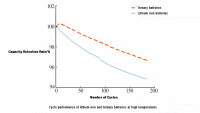
Lithium iron phosphate batteries are widely used in the field of new energy vehicles due to their excellent cycling performance, high safety, and relatively low cost. However, its cycle life curve shows a characteristic of "fast decay in the early stage and flattening in the middle and late stages". Compared to ternary batteries, lithium iron phosphate batteries experience more significant capacity degradation in the early stages of cycling, limiting their potential applications in long-life scenarios. It is of great significance to study the early attenuation mechanism and explore improvement methods to enhance its market competitiveness.Analysis of attenuation reasons1. Comparison with ternary batteries Under the same testing conditions, the capacity retention rate of lithium iron phosphate batteries after 200 cycles is 95%, while that of ternary batteries is 97%. Research has found that the difference in initial Coulombic efficiency between the two is the fundamental reason for the difference in decay rate: a. The positive electrode of a ternary battery has a lower initial Coulombic efficiency (about 88%), while the negative electrode has a higher initial Coulombic efficiency (about 92%). After the first charge and discharge, about 4% of the active lithium remains in the negative electrode, which can compensate for some of the consumption of active lithium in subsequent cycles; b. The first coulombic efficiency of the positive electrode of lithium iron phosphate battery is relatively high (about 95%), while the first coulombic efficiency of the negative electrode is relatively low (about 92%). After the first charge and discharge, there is no excess active lithium in the negative electrode, which makes it more sensitive to the consumption of active lithium in the early stage of cycling. ICP and XRD analysis further confirmed that the lithium content in the negative electrode of the ternary battery was always higher than that of the lithium iron phosphate battery, and as the cycle progressed, the lithium content in the negative electrode of the ternary battery gradually decreased, indicating that the lithium stored in the negative electrode was gradually consumed during the cycle, delaying capacity decay.2. The early degradation mechanism of lithium iron phosphate batteries. By comparing the capacity loss at 1C and 0.05C rates, it was found that the loss rates of the two were basically the same, indicating that the capacity degradation was mainly not caused by polarization, but by irreversible consumption of active lithium. Further characterization of the negative electrode SEI film using ICP, EDS, DSC and other methods showed that: a. As the cycle progresses, the lithium content in the negative electrode gradually increases, the lithium element content in the SEI film increases, and the heat release of the SEI film increases; b. In the first 50 cycles, the capacity decay rate was 3.3%, the polar expansion rate was 3.3%, and the pressure growth rate was 33.6%; In 50-100 cycles, the attenuation rate drops to 1.2%, the expansion rate drops to 1.6%, and the pressure growth rate drops to 1.4%. This indicates that the rapid expansion of the negative electrode volume during the initial cycle leads to frequent rupture and repair of the SEI film, consuming a large amount of active lithium, which is the main reason for the rapid capacity decay. As the cycle progresses, the polar structure tends to stabilize, the degree of SEI film damage decreases, and the decay rate slows down accordingly.Improvement measures Based on the above mechanism, the article proposes multiple improvement strategies from the perspectives of positive and negative electrode material design and process optimization, and verifies their effectiveness through experiments: 1. Reduce the specific surface area of the positive electrode: reduce the occurrence of side reactions, lower the consumption of active lithium, and thus slow down capacity decay. 2. Optimize the negative electrode OI value (orientation index): The smaller the OI value, the smaller the volume expansion of graphite during lithium insertion, and the lower the degree of SEI film damage. The experiment showed that after the OI value decreased from 9.33 to 5.55, the capacity decay rate decreased from 3.3% to 2.4% after 100 cycles. 3. Control the negative electrode coating amount: Excessive coating amount will exacerbate electrode expansion and increase the risk of SEI film damage. The coating amount increased by 30%, the rebound rate of the polarizer increased by 9%, and the capacity decay rate increased by 1.0%. 4. Reduce the expansion rate of negative electrode adhesive: the expansion rate of the adhesive film is reduced by 20%, the rebound rate of the electrode is reduced by 2%, and the capacity decay rate is reduced by 0.5%. The improvement effect was verified by ICP, EDS, DSC and other methods, and the results showed that the optimized battery had significant improvements in negative electrode lithium content, lithium element content in SEI film, and SEI film heat release, proving the effectiveness of the above measures.
-
25
2026-03
What factors are related to the interface resistance of lithium batteries?
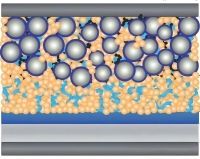
The interface resistance of lithium batteries is a complex problem with multiple scales and factors, which directly affects the rate performance, low-temperature performance, cycle life, and safety of the battery.1. Definition and composition of interface resistanceInterface resistance usually refers to the resistance of two key parts inside the battery:(1) Contact resistance between the current collector and the coating: affects the efficiency of electron transfer from the current collector to the coating.(2) The electronic transmission resistance inside the coating is determined by the electronic channels formed between active material particles through a network of conductive agents and binders.2. Influencing factors and improvement methods(1) Formula design:Reasonable formula design can directly reduce the internal resistance between interfaces, including material selection and dosage. Conductive agents and binders: determine the quantity and quality of electronic transmission channels, directly affecting rate performance, low-temperature internal resistance, and heating behavior. Simply pursuing low resistivity is not always advantageous. Increasing the proportion of active substances or replacing conductive agents may improve the surface, but in reality, it may lead to uneven interface resistance, especially in silicon doped negative electrode systems where silicon has poor electron transfer and frequent expansion and contraction, requiring an appropriate conductive network to be matched.(2) Process control:Roll pressing: Proper compaction can improve particle contact and reduce resistance; However, excessive compaction may lead to particle breakage, which in turn reduces electron and ion channels. Baking: The floating of adhesive (such as SBR) can cause the area near the current collector to loosen, increasing the contact resistance. Other factors such as coating stability, carbon coating quality on the surface of the current collector, and welding tightness also significantly affect the interface resistance.3. Testing method(1) Four probe method: Quickly screen for batch uniformity, but cannot measure the contact resistance between the current collector and the coating.(2) EIS (Electrochemical Impedance Spectroscopy): By separating contact impedance information in the high-frequency region, a reliable equivalent circuit model is required. (3) Symmetric battery or three electrode half battery: used for mechanism research to separate interface resistance from overall impedance, but not suitable for production lines. (4) Combination strategy: First, use four probes for rapid screening, then analyze the frequency response using EIS, and finally observe the cross-section using SEM or focused ion beam to comprehensively evaluate the interface state.4. ConclusionThe control of interface resistance requires comprehensive consideration of formula, process, and testing methods to avoid blindly pursuing low resistivity, and should focus on the actual effectiveness of electronic and ion channels. Through multidimensional testing and process optimization, interface resistance can be effectively reduced and battery performance can be improved.Be Power is committed to providing customers with high-quality and customized solutions;We are the number one Chinese battery supplier delivered to automotive OEM in Brazil.We offered battery for over 800K set HESS systems;We are the best UTV battery supplier and exporter in China, with over 15 years of experience in lithium battery research and development.We are the best battery pack solution provider in China.Our battery systems are warmly welcomed in over 30 countries applied on electric trucks,electric light vehicles,electric UTV, electric sweepers, container energy storage systems, 215Kwh commercial and industrial energy storage systems etc. With top-notch technical team in China we are providing the toughest technical and highest level safety products.
-
10
2026-03
What are the reasons for lithium battery gas production?
The root cause of gas production in lithium batteries is essentially the result of a series of unwanted chemical and electrochemical side reactions inside the battery. These reactions consume the active ingredients in the battery and generate gaseous products, leading to a decrease in battery performance and even causing safety issues. The gas production of lithium batteries mainly comes from the following aspects:1. Electrolyte decompositionWhen used improperly at high temperatures or voltages (such as overcharging), organic solvents in the electrolyte can undergo oxidation or reduction reactions and decompose. The main gases are:Carbon dioxide (CO ₂), carbon monoxide (CO), methane (CH ₄), ethylene (C ₂ H ₄), etc. two SEI film damage and recombination.2. SEI film damage and recombinationIf the SEI protective film on the negative electrode surface ruptures due to overcharging, overdischarging, or high temperature, the electrolyte will directly react with the negative electrode material in an attempt to repair the SEI film, and this process will continuously generate gas.The main gases are:Hydrogen (H ₂), ethylene (C ₂ H ₄), ethane (C ₂ H ₆), etc.3. Excessive moisture contentEven trace amounts of water (ppm level) can react with lithium salts (such as lithium hexafluorophosphate LiPF ₆) in the electrolyte, generating corrosive hydrofluoric acid (HF) and further triggering side reactions to produce gas. The main gases are:Hydrogen (H ₂), hydrogen fluoride (HF), carbon monoxide (CO), carbon dioxide (CO ₂).4. Side reactions of positive electrode materialsUnder overcharging or high temperature, the structure of positive electrode materials (especially high nickel ternary materials) may collapse, releasing oxygen. The released oxygen will oxidize the electrolyte, producing more gas. The main gases are:Oxygen (O ₂), carbon dioxide (CO ₂).5. Negative electrode material side reactionsFor materials such as silicon anodes, significant volume changes during charge and discharge can repeatedly damage the SEI film, leading to sustained side reactions and gas production. Under excessive discharge or high temperature, the graphite negative electrode will also react with the electrolyte. The main gases are:Hydrogen (H ₂), Ethylene (C ₂ H ₄), Ethane (C ₂ H ₆).
-
25
2026-02
The difference between semi-solid, quasi solid, and all solid state batteries
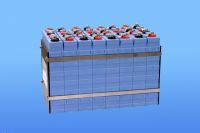
We often see in the media and online that a certain company has made a huge breakthrough in solid-state batteries. Alternatively, a company may announce the mass production of solid-state batteries by 202X. Perhaps they only dare to say that it is a solid-state battery, and dare not say that their battery is an all solid state battery.Solid state batteries can simply include (semi-solid, quasi solid, and all solid state batteries), and in order to appear high-end and attract attention, they directly refer to solid-state batteries.What is the difference between the three?The core difference between semi-solid, quasi solid, and all solid state batteries lies in the physical state of the electrolyte, ion conductivity, interface issues, and industrial maturity.The following comparison chart can clearly summarize the core differences and evolutionary relationships among the three:Detailed explanation of core differences1. All solid state batteryElectrolyte state: 100% solid, without any liquid electrolyte. Solid electrolytes such as oxides, sulfides, or polymers are usually used. Key features:Highest safety: completely eliminate the risks of leakage, combustion, and explosion (especially when using metal lithium negative electrodes).The maximum potential for energy density: compatible with high-voltage positive electrodes and metal lithium negative electrodes, theoretically with an energy density of over 500 Wh/kg. The interface problem is the most severe: solid solid contact leads to high interface impedance, difficult ion transport, and the biggest challenges are rate performance and cycle life. Cost and process are extremely difficult: the preparation process is complex (such as the processing of brittle electrolytes, thin film preparation), the cost is extremely high, and mass production is the most difficult. Current situation: In the research and development and pilot stage, it is widely recognized as the "ultimate solution", but the road to commercialization is the longest. Representative companies: Toyota, QuantumScape。2. Quasi solid state batteriesElectrolyte state: "quasi solid" or "gelled", containing a small amount (usually<5%) of liquid electrolyte or plasticizer, wetting the space between solid electrolyte particles with a very small amount of liquid. Key features:Transitional solution: It can be seen as a preparatory form of all solid state battery. It sacrifices "absolute solid state" in exchange for more feasible interface performance. Interface improvement: Trace amounts of liquid greatly enhance the ion transport capability of the solid solid interface and reduce interface impedance. Performance Balance Point: Seeking a feasible balance between safety, energy density, and electrochemical performance. Its energy density and safety are still significantly higher than liquid state batteries, but slightly inferior to ideal all solid state batteries. The manufacturing process is relatively friendly: closer to existing production lines than all solid state. Current situation: Often overlapping or mixed with the concept of "semi-solid", it is a crucial step for many enterprises to move from semi-solid to all solid state.3. Semi solid state batteriesElectrolyte state: solid-liquid mixture, coexistence of solid electrolyte and liquid electrolyte, with high liquid content (usually>5%, even up to 10-20%). Key features:Compromise and improvement plan: Essentially, it is a "heavy improvement" of existing liquid lithium-ion batteries, rather than a subversion. Solid electrolyte coatings or composites with electrode materials are commonly used. Improved safety: The quality of liquid electrolysis has been reduced, reducing the risk of combustion, but it has not been completely eradicated. Significant improvement in energy density: High capacity positive and negative electrode materials (such as high nickel and silicon carbon) can be partially applied, with an energy density of 300-400 Wh/kg. Compatible with existing production lines: The production process adjustment is relatively small, making it the first route to achieve commercial mass production. There is still a risk of leakage: essentially still belongs to the category of "liquid batteries".Current situation: It has entered the stage of mass production and installation. Representative applications: NIO's 150kWh semi-solid battery pack (Weilan New Energy), Lantu Chasing Light (Ganfeng Lithium), etc.
-
25
2025-11
What are the hazards of poor cell consistency in power batteries?
We know that a car's battery is composed of many battery cells. Generally, modules are composed of battery cells, and the modules form a PACK. For example, the Tesla Model S's battery system is carefully composed of 7104 18650 lithium batteries. The Xiaomi SU7 Max battery pack is composed of 198 battery cells connected in series. With so many battery cells, if one of them is faulty, it's easy to carry the whole into the ditch. As a familiar saying goes, "A piece of mouse dung will kill a pot of porridge". So the consistency of battery cells in power batteries is very important. 1、 The harm caused by poor consistencyPoor consistency of battery cells in power batteries can cause various hazards, directly affecting battery performance, safety, lifespan, and overall vehicle reliability. The following is a specific analysis of hazards and mechanisms:① Capacity degradation and battery life decreaseShortboard effect: In cells with poor consistency, the unit with the lowest capacity will be the first to fully charge or empty, resulting in the overall available capacity of the battery pack being limited by the "weakest cell".Example: If the capacity of a certain battery cell is 10% lower than others, the entire battery pack capacity may be lost by 5% to 8%, significantly reducing the vehicle's range. ② Safety hazards: thermal runaway, fire and explosionRisk of overcharging/overdischarging: When the voltage is inconsistent, some cells may be forcibly charged to overvoltage (>4.3V) or discharged to undervoltage (<2.5V), causing lithium dendrite growth, piercing the diaphragm and causing internal short circuit, ultimately leading to thermal runaway.Uneven heat distribution: Cells with large internal resistance or temperature differences overheat locally during charging and discharging, forming "hotspots" and accelerating heat diffusion. ③ Significantly shortened battery lifeAging acceleration: Cells with poor consistency are subjected to uneven loads during cycling. For example, repeated overdischarging of low capacity cells can accelerate the decay of electrode materials, potentially shortening their lifespan by 30% to 50%.Chain reaction: The failure of a single battery cell (such as a sudden drop in capacity) will force other battery cells to compensate, exacerbating overall aging. ④ Failure of Battery Management System (BMS)SOC/SOH estimation distortion: BMS relies on cell parameter consistency for precise management. If the difference in battery cells is too large, BMS may not be able to accurately estimate the remaining state of charge (SOC) or state of health (SOH), and may misjudge the battery status.Overload of balancing function: BMS needs to frequently balance cells with significant differences, resulting in increased energy consumption and limited effectiveness, ultimately leading to overload or failure of the balancing circuit.2、 How to screen out cells with poor consistencyThe following are the methods and steps for consistency screening of battery cells:① Voltage matching: That is, OCV testing measures the open circuit voltage (OCV) of the battery cell after it has been idle (usually 24-48 hours), and eliminates cells with voltage deviations exceeding the set threshold (such as ± 5mV).② Capacity sorting: Obtain the actual capacity of the battery cells through charge and discharge tests, and divide them into capacity intervals (such as ± 1%) to ensure that the difference in battery cell capacity within the same battery pack is minimized. ③ Internal resistance screening: Measure the DC internal resistance (DCR) or AC internal resistance (ACR), and remove cells with high internal resistance or large dispersion (such as internal resistance deviation>3%). ④ Self discharge rate (K value) test: After fully charging the battery cell, let it stand for 7-14 days, calculate the self discharge rate (K value) based on the voltage drop, and screen for cells with similar K values (such as K value difference<0.5%). The role of K=(OCV1- OCV2)/(t2- t1) K value testing should not be underestimated.⑤ Aging and cycle testingHigh temperature aging screening: Place the battery cells in a high-temperature environment (such as 45 ℃) and monitor the voltage decay rate to screen for cells with consistent aging characteristics. Cycle life pre-test: Perform a small amount of charge and discharge cycles on the battery cell (such as 50 times) to eliminate cells with abnormal capacity decay or sudden internal resistance changes.When selecting power batteries, the quality of the battery cells will greatly affect the performance of the entire battery pack, so it is necessary to conduct strict inspections of product quality and suppliers in the early stage. As a professional lithium battery supplier,Be Power is committed to providing customers with high-quality and customized solutions;We are the number one Chinese battery supplier delivered to automotive OEM in Brazil.We offered battery for over 800K set HESS systems;We are the best UTV battery supplier and exporter in China, with over 15 years of experience in lithium battery research and development.We are the best battery pack solutions provider in China.Our battery systems are warmly welcomed in over 30 countries applied on electric trucks,electric light vehicles,electric UTV, electric sweepers, container energy storage systems, 215Kwh commercial and industrial energy storage systems etc. With top-notch technical team in China we are providing the toughest technical and highest level safety products.

-
24
2025-10
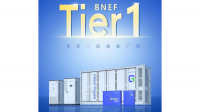
Congratulations to our partner Great Power for being listed as a BNEF Tier1 global first tier energy storage manufacturer for 4 consecutive times!
Great Power has been listed as a BNEF Tier1 global first tier energy storage manufacturer for four consecutive times! Recently, Bloomberg NEF (Bloomberg New Energy Finance, abbreviated as BNEF), a globally renowned research institution, officially released the Global Tier 1 Energy Storage Tier 1 List 2Q 2025 for the second quarter of 2025.BNEF rigorously evaluates project scale, technological innovation, supply chain resilience, financial health, and global market influence from multiple dimensions. Every year, only the top energy storage companies with comprehensive strength are selected to enter the Tier 1 list. Its rating results are regarded as industry benchmarks by global energy giants, investment institutions, and governments.Great Power has made a strong breakthrough among global energy storage companies with its innovative product technology, leading intelligent manufacturing, efficient global delivery system, and full cycle project execution control capabilities. It has been ranked as a BNEF Tier 1 global first level energy storage manufacturer for four consecutive times, marking Great Power's continuous recognition of its comprehensive strength by international authorities!As the overseas partner of Great Power, Be Power is committed to providing customers with high-quality and customized solutions;We are the number one Chinese battery supplier delivered to automotive OEM in Brazil.We offered battery for over 800K set HESS systems;We are the best UTV battery supplier and exporter in China, with over 15 years of experience in lithium battery research and development. Our battery systems are warmly welcomed in over 30 countries applied on electric trucks,electric light vehicles,electric UTV, electric sweepers, container energy storage systems, 215Kwh commercial and industrial energy storage systems etc. With top-notch technical team in China we are providing the toughest technical and highest level safety products!
-
05
2025-09
Lithium battery voltage consistency: importance, impact, and how to improve it
The importance of voltage consistency in lithium batteries.The voltage consistency of lithium batteries refers to the ability of individual lithium batteries in the same batch or system to maintain consistent terminal voltage under the same operating conditions. Voltage consistency has a crucial impact on the performance, lifespan, and safety of lithium battery packs. 1. Voltage consistency is related to the overall performance of lithium battery packs.In a battery pack, if there is a voltage difference between individual cells, some cells may reach their upper or lower voltage limit in advance during the charging and discharging process, resulting in the entire battery pack not being able to fully utilize its capacity, thereby reducing overall energy efficiency.2. Voltage consistency has a direct impact on the safety of lithium batteries.When the voltage of individual cells in the battery pack is inconsistent, some cells may experience thermal runaway due to overcharging or overdischarging, leading to safety accidents such as fires or explosions. 3. Voltage consistency also affects the lifespan of lithium batteries. Due to inconsistent voltage, some individual cells in the battery pack may experience more charge and discharge cycles, leading to a shortened lifespan and ultimately affecting the overall service life of the battery pack.The impact of inconsistent voltage on lithium batteries1. Performance degradation: The voltage difference between individual cells can lead to a decrease in the overall performance of the battery pack. During the discharge process, batteries with lower voltage will limit the discharge voltage and capacity of the entire battery pack, thereby reducing the energy output of the battery pack. 2. Unbalanced charging and discharging: Inconsistent voltage can cause uneven charging and discharging of the battery pack. Some batteries may be fully charged or emptied in advance, while others may not have reached their charging and discharging limits, which can lead to a decrease in the overall capacity utilization of the battery pack. 3. Risk of thermal runaway: Inconsistent voltage may increase the risk of thermal runaway in the battery pack. Overcharged or overdischarged batteries may generate a large amount of heat. If the heat is not dissipated in a timely manner, it may cause thermal runaway of the battery and result in safety accidents. 4. Shortened lifespan: Inconsistent voltage can lead to increased differences in the lifespan of individual cells within the battery pack. Some batteries may fail prematurely due to excessive charging and discharging, thereby affecting the lifespan of the entire battery pack.How to improve the voltage consistency of lithium batteries1. Strengthen battery management system: Battery management system (BMS) is the key to ensuring battery voltage consistency. By monitoring and adjusting the voltage between battery cells in real-time, BMS can ensure that the battery pack maintains voltage consistency during charging and discharging processes. In addition, BMS can also achieve balanced management of battery packs, avoiding overcharging or overdischarging of individual batteries. 2. Implement regular maintenance and calibration: Regular maintenance and calibration of lithium battery packs can maintain voltage consistency between battery cells. For example, regular charging and discharging calibration of battery packs can ensure that each battery cell reaches the same charging and discharging state, thereby improving voltage consistency. 3. Adopting advanced battery balancing technology: Battery balancing technology is an effective means of improving battery voltage consistency. By actively or passively balancing, the voltage difference between battery cells can be reduced to an acceptable range, ensuring that the battery pack maintains voltage consistency during charging and discharging processes. 4. Improve the usage environment: The usage environment also has a certain impact on the voltage consistency of lithium batteries. By improving the usage environment of batteries, such as reducing temperature fluctuations, minimizing vibration and shock, the impact of environmental factors on battery performance can be reduced, thereby maintaining battery voltage consistency.ConclusionThe voltage consistency of lithium batteries has a significant impact on the performance, safety, and lifespan of battery packs. Inconsistent voltage may lead to performance degradation, uneven charging and discharging, increased risk of thermal runaway, and shortened lifespan of the battery pack. Therefore, improving the voltage consistency of lithium batteries is crucial. Choosing products from high-quality and reliable battery manufacturers can effectively ensure the voltage consistency of lithium batteries, thereby ensuring the safe, stable, and efficient operation of battery packs.Be Power is committed to providing customers with high-quality and customized solutions;We are the number one Chinese battery supplier delivered to automotive OEM in Brazil.We offered battery for over 800K set HESS systems;We are the best UTV battery supplier and exporter in China, with over 15 years of experience in lithium battery research and development.We are the best battery pack solution provider in China.Our battery systems are warmly welcomed in over 30 countries applied on electric trucks,electric light vehicles,electric UTV, electric sweepers, container energy storage systems, 215Kwh commercial and industrial energy storage systems etc. With top-notch technical team in China we are providing the toughest technical and highest level safety products.